

What Aeration Does to Wine
If you have ever noticed that wine tastes better 30 to 60 minutes after pouring, you have experienced wine aeration in action. Many wines, especially younger reds, change noticeably once exposed to air. Aroma becomes clearer. Texture softens. Balance improves. Understanding what aeration does to wine helps you decide whether to wait, decant, or use a wine aerator to enjoy the bottle immediately.
What Is Wine Aeration?
Wine aeration is the controlled exposure of wine to oxygen after opening, intended to improve aroma, soften structure, and enhance balance. While wine is sealed in a bottle, it has limited contact with air. Once opened, oxygen begins interacting with tannins, acids, alcohol, and aromatic compounds. That interaction can noticeably change how wine smells and tastes.
Why Oxygen Affects Wine
Wine is chemically active. When oxygen enters the bottle, it begins influencing the wine’s structure. Tannins can feel smoother. Aromas become more noticeable. Sharper elements may settle, allowing flavours to feel more integrated. This short-term exposure is very different from oxidation, which happens over long periods and can damage wine. Aeration is controlled and designed to improve flavour in the short term.
What Aeration Does to Wine Flavour
Aeration often softens tannins, enhances aroma, and improves perceived balance. Young red wines, in particular, can feel less aggressive once exposed to air. Aromatic compounds become clearer and more expressive. Flavours that initially feel separate can begin to feel more cohesive. The wine does not gain new flavours. It simply presents itself more clearly.
How Wine Changes After Opening
When a bottle is freshly opened, the wine has had minimal oxygen exposure. As it remains open, even small amounts of air can change how it presents. Aroma may lift. Texture can feel smoother. Balance can improve. The shift is not about quality. It is about timing and oxygen.
Aeration vs Decanting
Aeration and decanting both increase oxygen exposure, but they are not identical. Decanting involves pouring wine into a wider vessel to increase surface area and allow gradual oxygen contact. It is commonly used for younger, tannic red wines or wines with sediment. Aeration refers more broadly to any method of introducing air, including swirling in a glass or using an aerating device. Both approaches aim to improve flavour through controlled oxygen exposure.
How to Aerate Wine Quickly
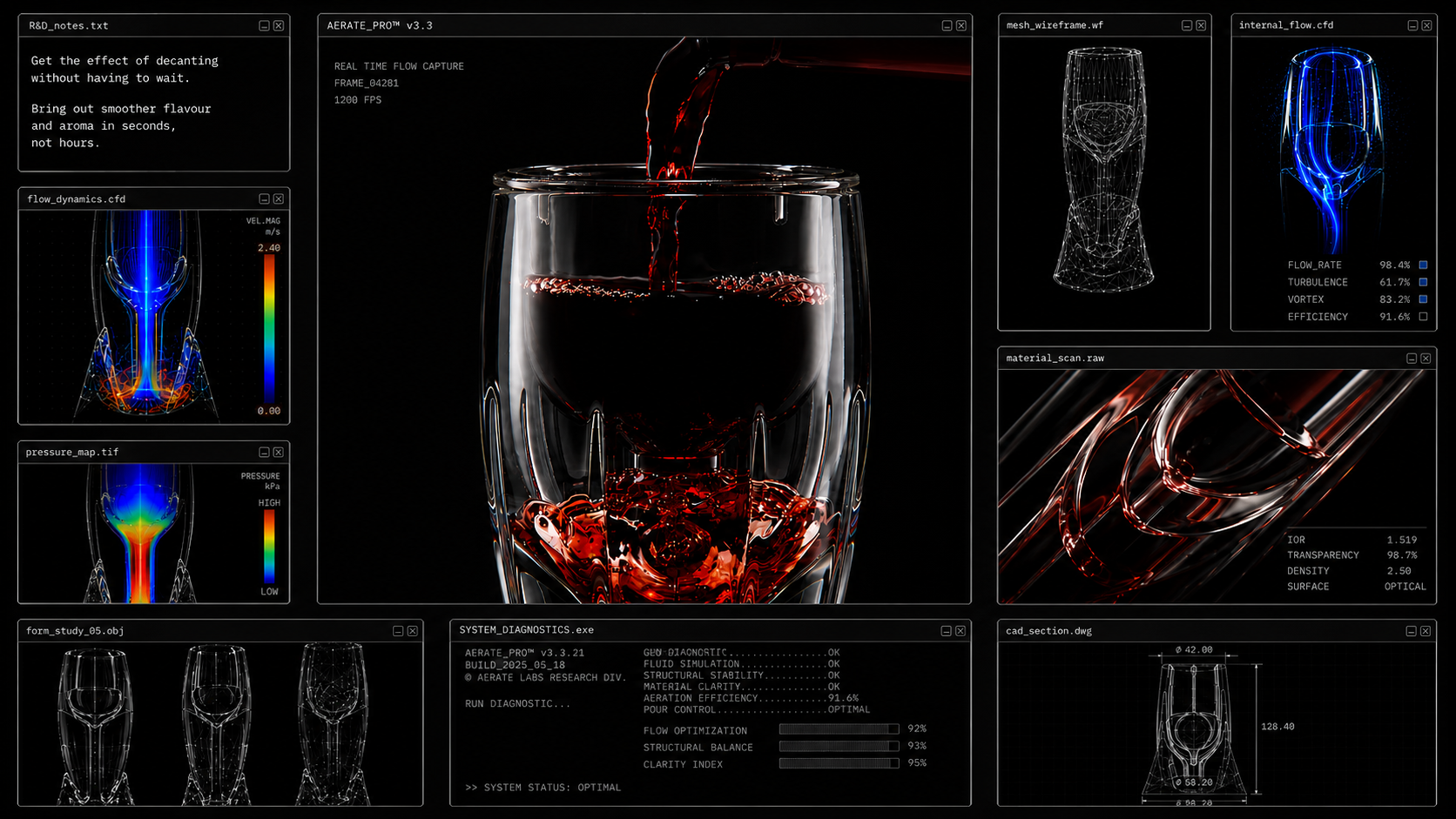
Traditional decanting relies on time. Depending on the wine, this can take 15 to 60 minutes. Swirling in the glass can speed up the process slightly. A wine aerator introduces oxygen during pouring, accelerating exposure without the need to plan ahead. For those who open bottles spontaneously, this approach removes the wait while delivering similar structural benefits.
Do All Wines Benefit From Aeration?
Not all wines respond the same way to air. Young red wines, full-bodied wines, and wines high in tannin are most likely to benefit. Lighter white wines, sparkling wines, and older, delicate wines generally require little to no aeration. The key is balance. Enough air to improve aroma and structure, without overexposing the wine.
Final Thoughts: What Aeration Does to Wine
What aeration does to wine is straightforward. It allows oxygen to interact with the wine’s structure, often softening tannins, lifting aroma, and improving overall balance. For many wines, especially younger reds, this can make a noticeable difference. If you frequently open bottles without waiting, using a wine aerator allows you to achieve those benefits immediately and enjoy a more balanced glass from the start.
Frequently Asked Questions
Does aerating wine really make a difference?
Yes. With many younger red wines, short-term oxygen exposure can soften tannins and enhance aroma. The difference is often noticeable within minutes.
Can you over-aerate wine?
Yes. Extended oxygen exposure over many hours can dull flavour and reduce freshness. Controlled, short-term aeration is generally safe for suitable wines.
Is aeration the same as oxidation?
No. Aeration is short-term, controlled exposure to oxygen intended to improve flavour. Oxidation occurs over longer periods and can damage wine.
Does white wine need aeration?
Some fuller-bodied whites can benefit slightly. Most light whites and sparkling wines do not require aeration.
How is a wine aerator different from a decanter?
A decanter increases surface area and relies on time. A wine aerator introduces oxygen during pouring, speeding up the process significantly.
