

Wine Aerator vs Decanter
If you want better tasting wine, you have likely heard two common suggestions. Let it breathe. Or decant it. When comparing a wine aerator vs decanter, the real question is which one fits how you actually drink wine. Both increase oxygen exposure. Both can improve aroma and texture. The difference is speed and practicality. Understanding that difference helps you choose the right approach for your drinking habits.
Wine Aerator vs Decanter at a Glance
In simple terms, a decanter aerates wine gradually over time. A wine aerator increases oxygen exposure instantly as you pour. That difference explains why many wine drinkers find aerators easier to use consistently. One depends on time and surface area. The other uses flow and agitation to accelerate oxygen contact.
What Does a Decanter Do?
A decanter exposes wine to oxygen by increasing its surface area. Wine is poured into a wide vessel and left to sit, allowing gradual oxygen interaction. Over time, this can soften tannins, reduce volatile sharpness, and allow aromas to become more expressive. Decanters are especially useful when opening wine in advance, serving guests later, or separating older wines from sediment. They suit situations where presentation and ritual are part of the experience. The limitation is practical. A decanter requires planning, time, and cleaning. If you open a bottle and want to drink it immediately, the benefits are delayed.
What Does a Wine Aerator Do?
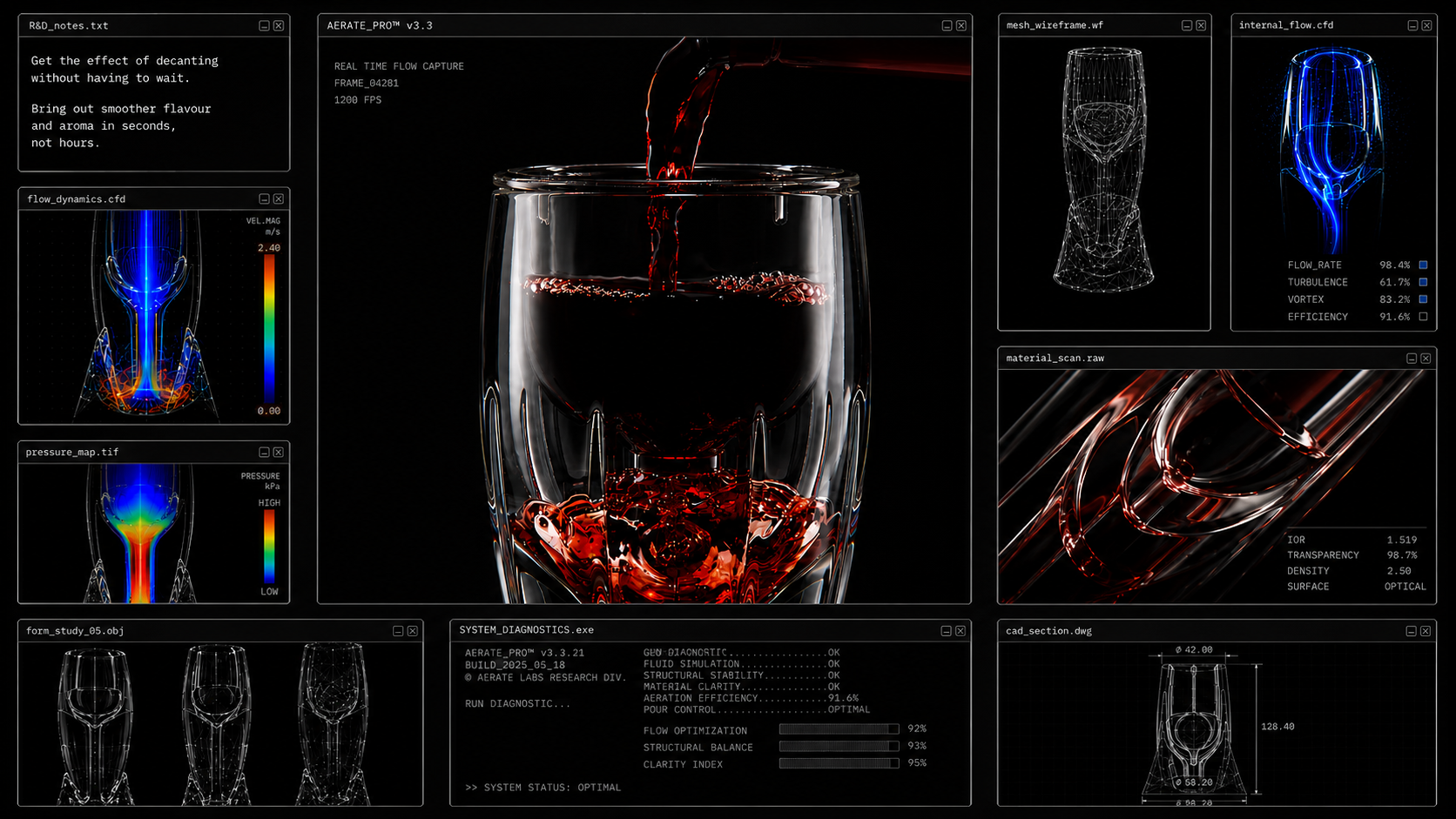
A wine aerator introduces oxygen into wine as it flows through the device. By increasing turbulence and surface interaction during pouring, it accelerates short-term oxygen exposure. In practical terms, this can make the first glass feel smoother, help aromas appear more open, and reduce the perception of tight structure in younger wines. It does not replicate extended decanting hour for hour, but it delivers noticeable change immediately. For many people, this makes aeration more accessible and consistent.
Aeration vs Decanting for Everyday Drinking
Most bottles are opened casually. After work. With dinner. Midweek. Not an hour before serving. In these moments, wine is often poured straight from the bottle, and any improvement from oxygen happens gradually in the glass. A wine aerator addresses this specific scenario by increasing oxygen exposure at the moment of pouring. For everyday drinking, that immediacy is often the deciding factor. It removes the need to plan ahead while still improving balance.
Does a Wine Aerator Do the Same Thing as a Decanter?
Functionally, both increase oxygen exposure to influence aroma and texture. Practically, they operate differently. A decanter relies on time and surface area. A wine aerator relies on controlled flow and rapid mixing with air. Extended decanting can continue influencing wine over an hour or more. An aerator delivers a concentrated burst of oxygen contact instantly. The end goal is similar, but the pathway and timeframe differ.
Which Is Better for Casual Wine Drinkers?
If you open wine without advance planning and prefer minimal setup, a wine aerator is often the better fit. It reduces friction and improves consistency without adding extra steps. If you enjoy the ritual of preparation, are serving guests, or are opening structured wines well in advance, a decanter remains valuable. The right choice depends less on tradition and more on how and when you drink.
Can You Use Both?
Yes. Many wine drinkers use both depending on the situation. A decanter can enhance special bottles or extended meals. A wine aerator can handle spontaneous openings and everyday drinking. They are not mutually exclusive. They simply solve different timing needs.
Final Verdict: Wine Aerator vs Decanter
When comparing a wine aerator vs decanter, the difference comes down to time, convenience, and usage patterns. Decanters provide gradual oxygen exposure suited to planned occasions. Wine aerators provide immediate oxygen contact suited to real-time drinking. If you want smoother texture and more open aroma from the first pour without waiting, a wine aerator is often the more practical choice.
Frequently Asked Questions
Is a wine aerator better than a decanter?
It depends on timing and preference. A decanter works well when you can let wine sit and develop. A wine aerator is more practical when you want immediate improvement during pouring.
Does a wine aerator work as well as decanting?
For many younger red wines, it can produce noticeable softening and aromatic lift quickly. Extended decanting, however, may continue influencing wine over a longer period.
When should you use a decanter instead of an aerator?
A decanter is useful for older wines with sediment, formal occasions, or when you plan to let wine breathe for an extended period before serving.
Is aeration the same as decanting?
Decanting is one method of aeration. Aeration refers broadly to exposing wine to oxygen. Decanting increases surface area over time, while a wine aerator increases oxygen contact during pouring.
Do you still need to let wine breathe if you use an aerator?
In most cases, additional waiting is unnecessary. A wine aerator increases oxygen exposure immediately, which often reduces or eliminates the need for extended breathing time.
