

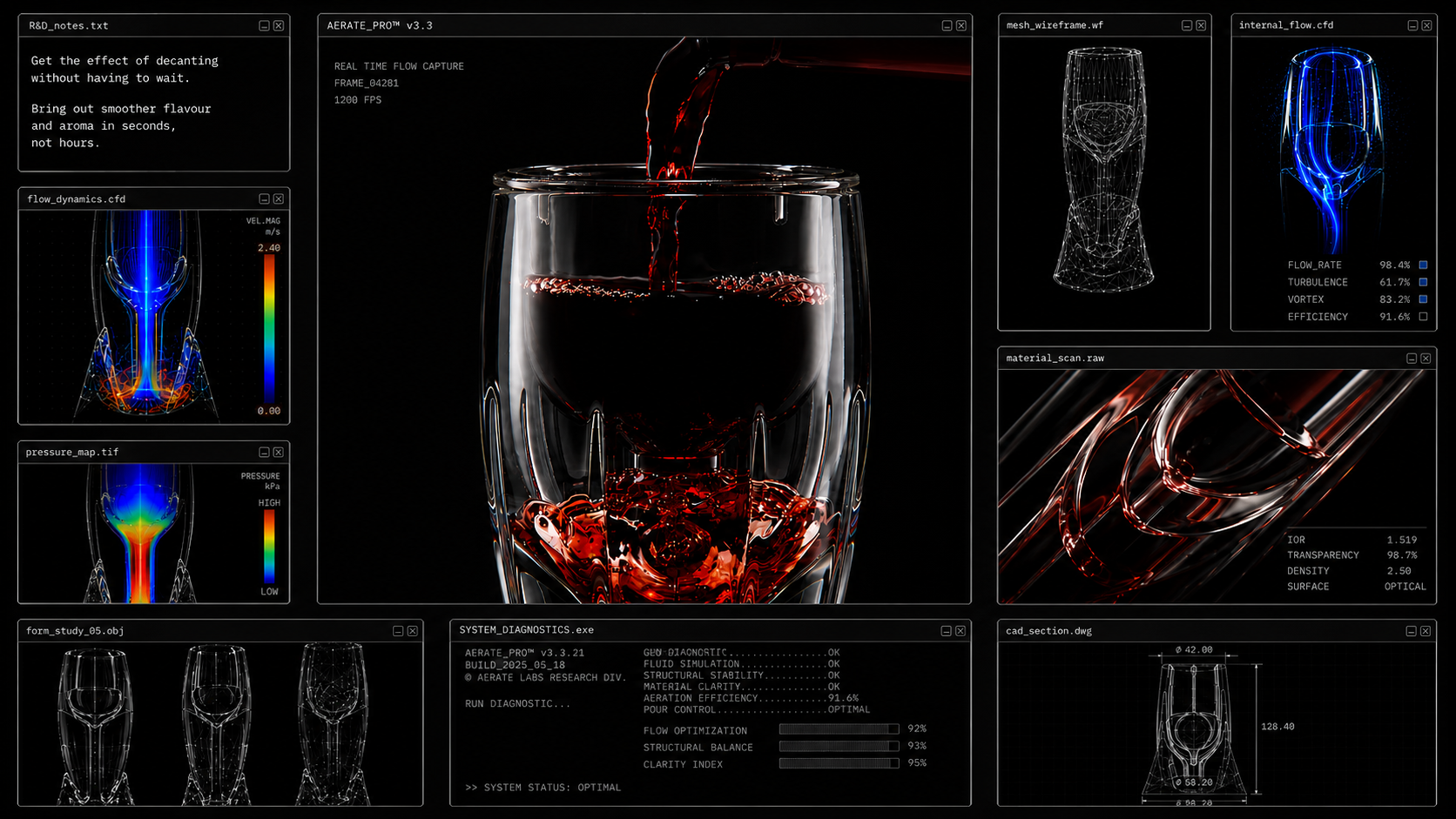
Why You Need a Wine Aerator
Opening a bottle of wine should feel simple. You pour a glass, take a sip, and enjoy it. But that first glass does not always deliver. It can taste sharper than expected, a little tight, or slightly unbalanced. Many people assume that is just how the wine is. In reality, it often just needs time to breathe.
This is where a wine aerator becomes useful. Instead of waiting for the wine to open up over time, it helps that process happen instantly as you pour. The result is a smoother, more approachable glass from the very beginning, without needing to plan ahead or use extra equipment.
What a Wine Aerator Actually Does
A wine aerator works by introducing oxygen into the wine as it flows from the bottle into your glass. This exposure to air helps release aromas and soften certain elements in the wine, particularly tannins, which can feel drying or harsh on the palate.
This is the same principle behind decanting. When wine is poured into a decanter, it is exposed to oxygen over a longer period of time, which allows it to open up gradually. An aerator speeds up that process. Instead of waiting for the wine to change over time, it encourages that development in seconds.
The goal is not to change the wine completely, but to help it show up better, sooner.
Why Wine Often Tastes Better After Breathing
Wine is a complex liquid made up of many compounds that evolve when exposed to air. When a bottle is first opened, especially if it is young, the flavours can feel closed or restrained. Aromas may be muted, and the structure can feel firm or slightly aggressive.
With time and oxygen, these elements begin to shift. Aromas become more expressive, and the overall balance improves. This is why a wine that initially tastes tight can feel smoother and more enjoyable after sitting in the glass.
This effect is particularly noticeable in red wines with higher tannins, such as Shiraz or Cabernet Sauvignon. These wines often benefit from aeration because it helps soften their structure and bring forward their fruit and aroma.
The Problem Most Wine Drinkers Experience
Most people do not open a bottle of wine an hour before they plan to drink it. They open it when dinner is ready, when guests arrive, or when they finally sit down to relax. That means the wine is often tasted at its least expressive point.
This creates a common frustration. The first glass does not match expectations, even though the wine may improve later. Some people assume the bottle is disappointing, when in fact it simply has not had enough time to open up.
A wine aerator addresses this exact moment. It allows the wine to begin that process immediately, so the first glass is closer to how the wine is meant to taste.
How a Wine Aerator Improves the First Glass
The first glass matters more than most people realise. It shapes your impression of the entire bottle. If it feels harsh or closed, it can affect how much you enjoy the rest of the experience.
By introducing oxygen during the pour, a wine aerator helps soften the initial impact. The wine can feel rounder, the aromas more noticeable, and the overall balance more settled. This does not mean every wine will change dramatically, but it often becomes more approachable from the start.
For many people, that small improvement makes a meaningful difference. It removes the need to wait and reduces the chance of feeling disappointed by a bottle that simply needed time.
Wine Aerator vs Decanter
Decanting has long been the traditional way to aerate wine. It involves pouring the wine into a separate vessel and allowing it to sit for a period of time. This can be effective, particularly for certain wines, but it requires planning and additional steps.
A wine aerator offers a more immediate approach. It works as you pour, which means there is no waiting period. It also removes the need for extra glassware and simplifies the overall process.
For people who enjoy the ritual of wine, a decanter may still have a place. For those who prefer a more practical solution, an aerator fits more naturally into everyday use. It allows you to achieve a similar outcome without changing how you normally drink wine.
Which Wines Benefit the Most
Not every wine requires aeration, but many benefit from it. Young red wines are the most common example. These wines often have stronger tannins and a tighter structure, which can soften with exposure to air.
Full-bodied reds such as Shiraz, Cabernet Sauvignon, and Malbec are particularly well suited. These wines can feel intense when first opened, and aeration helps make them more balanced and easier to drink.
Some fuller-bodied white wines can also benefit, although the effect is usually less pronounced. Lighter wines that are already soft and open may not change significantly.
In general, if a wine tastes like it needs time to settle, it is a good candidate for aeration.
A Practical Solution for Everyday Drinking
One of the main reasons people use a wine aerator is convenience. It fits into the way most people actually drink wine, without adding extra steps or requiring special preparation.
Instead of planning ahead or adjusting your routine, you simply pour the wine through the aerator and continue as normal. This makes it easy to use regularly, rather than only on special occasions.
Because it is quick to rinse and compact to store, it does not feel like a burden. It becomes part of the process in a natural way, rather than something that complicates it.
Getting More From Every Bottle
Wine is often chosen with a certain expectation in mind. Whether it is a midweek bottle or something more considered, you want it to taste good from the moment you pour it.
When the first glass falls short, it can feel like the bottle has not delivered. In many cases, that is not because the wine is poor, but because it has not had time to open up.
A wine aerator helps bridge that gap. It allows the wine to show more of its character earlier, which can make the overall experience more enjoyable. This is particularly valuable for everyday wines, where even a small improvement can change how the bottle is perceived.
Addressing Common Concerns
Some people question whether a wine aerator actually makes a difference. The most effective way to answer this is through comparison. Pour one glass normally and another through an aerator, then taste them side by side. In many cases, the difference is subtle but noticeable.
Others worry that it might alter the wine too much. In practice, a wine aerator does not fundamentally change the wine. It simply accelerates a natural process that would happen over time.
There is also the perception that wine tools are unnecessary or gimmicky. This is understandable, given how many products overpromise. A wine aerator stands out because its function is straightforward and its benefit is grounded in how wine behaves.
When You May Not Need One
While a wine aerator is useful in many situations, it is not essential for every wine. Older, delicate wines may not benefit from rapid aeration and are often better handled more gently. Some lighter wines are already open and expressive from the start.
In these cases, a simple pour or a gentle swirl in the glass may be enough.
Understanding when to use an aerator comes down to recognising how the wine presents itself. If it feels tight or unbalanced, aeration can help. If it already feels smooth and expressive, it may not be necessary.
Final Verdict: Why You Need A Wine Aerator
A wine aerator is not about making wine complicated. It is about removing a common frustration and replacing it with a simple, practical solution.
Wine often improves with time and air, but most people do not want to wait. A wine aerator allows you to enjoy a smoother, more balanced glass from the beginning, without changing how you normally drink wine.
For many people, that small shift is enough to make it worthwhile. It turns the first glass from something you tolerate into something you enjoy, which is the whole point of opening the bottle in the first place.
Frequently Asked Questions
Does a wine aerator really work?
Yes, a wine aerator can make a noticeable difference, particularly with young or bold red wines. By introducing oxygen as you pour, it helps the wine open up faster. This can soften harsher elements and make the wine feel smoother and more balanced from the first glass. The easiest way to see the difference is to compare two pours side by side, one with an aerator and one without.
Is a wine aerator better than a decanter?
A wine aerator is not necessarily better than a decanter, but it is more convenient. Both serve the same purpose of exposing wine to oxygen. A decanter works over time and requires planning, while an aerator works instantly as you pour. If you prefer a quick and practical solution, an aerator is often the easier choice for everyday use.
Which wines benefit most from a wine aerator?
Young red wines tend to benefit the most. This includes varieties like Shiraz, Cabernet Sauvignon, and Malbec, which can feel tight or tannic when first opened. Fuller-bodied wines in general are good candidates. Lighter wines or older, more delicate wines may not need as much aeration and can sometimes be better enjoyed without it.
Will a wine aerator change the flavour of the wine?
A wine aerator does not change the core flavour of the wine. It simply helps release aromas and soften certain elements, which can make the wine feel more balanced. You are not altering the wine itself, just helping it express itself more fully from the start.
Can a wine aerator fix a bad bottle of wine?
No, a wine aerator cannot fix a faulty or poor-quality wine. It is not designed to transform a bad bottle into a good one. What it can do is help a wine that feels closed or harsh open up faster, which may improve how enjoyable it is to drink.
Do I still need to decant wine if I have an aerator?
In most everyday situations, a wine aerator can replace the need to decant. It gives you the benefit of aeration without the wait. However, if you enjoy the ritual of decanting or are working with older wines that need careful handling, a decanter may still have its place.
Is a wine aerator worth it for everyday wine?
For many people, this is where a wine aerator provides the most value. Everyday wines can sometimes taste a little rough when first opened. Even a small improvement in smoothness can make the bottle more enjoyable, which makes the aerator a practical addition rather than a luxury.
Is it easy to clean?
Yes, most wine aerators are designed to be easy to clean. A quick rinse with warm water after use is usually enough. Because there are no complex parts, maintenance is simple and does not add extra effort to your routine.
Will I actually use it regularly?
This depends on how you drink wine. If you often open bottles and drink them straight away, you are likely to use a wine aerator regularly. Because it fits into the act of pouring, it does not require a separate step, which makes it easy to use without thinking about it.
Does it make a mess or drip?
Most wine aerators are designed to control the flow of wine and minimise dripping. When used properly, they should pour cleanly into the glass. Like any pour-through tool, holding it steady and pouring at a consistent pace helps ensure a smooth experience.
