

How Aeration Affects Wine Aroma and Taste
If you have ever opened a bottle and felt it didn’t quite live up to expectations, you may have already seen the effect of oxygen on wine. Many wines need air before their aroma and structure settle into place. Without it, they can seem firm, muted, or not quite integrated.
Once a bottle is opened, oxygen begins interacting with the wine’s structure and aromatic compounds. Over time, that contact softens harsher elements and allows aroma to lift. What feels restrained at first can become more balanced and expressive simply through exposure to air.
What Is Wine Aeration?
Wine aeration is the process of introducing oxygen to wine to enhance its aroma, soften harsh elements, and improve overall balance. When wine is sealed in a bottle, it has limited exposure to air. Once opened, oxygen begins interacting with compounds responsible for aroma, tannin, and flavour structure. Over time, this contact helps the wine express itself more clearly. Aeration simply accelerates that process.
How Aeration Affects Aroma
A large portion of what we perceive as taste actually comes from smell. Without air, many aromatic compounds remain subdued. When wine meets oxygen, aromas become more noticeable, fruit notes appear brighter, and subtle characteristics emerge. This is why wine often smells more expressive after it has breathed. Young or everyday wines commonly feel tight when first opened because the aromas have not yet had enough oxygen to lift and expand.
How Aeration Affects Taste
Oxygen interacts with tannins and acids, which can make strong elements feel smoother and less aggressive. As a result, tannins feel less drying, acidity feels more balanced, and the mouthfeel becomes rounder. Without aeration, flavours can seem disjointed or unfinished. With oxygen, fruit notes become clearer, sharp edges soften, and the overall experience feels more cohesive. The wine does not gain new flavours. It simply expresses its existing character more clearly.
What Aeration Does To Wine
One of the most common wine experiences is pouring a glass that feels underwhelming, then coming back to the same bottle the next day and finding it noticeably better. The difference is oxygen. Once opened, the wine begins reacting with air, and that exposure slowly lifts aroma, softens tannins, and brings the flavours into better balance. Time allows the wine to express itself more clearly. The problem is you are rarely opening a bottle to enjoy it tomorrow. You are opening it to enjoy it now.
Does Wine Need Oxygen?
Not all wines respond the same way to air. Young red wines, full-bodied wines, wines with noticeable tannins, and wines that improve after sitting typically benefit most from aeration. More delicate or older wines require a lighter touch. The key is controlled aeration. Enough oxygen to improve aroma and taste, not so much that it dulls the wine.
How to Aerate Wine Quickly
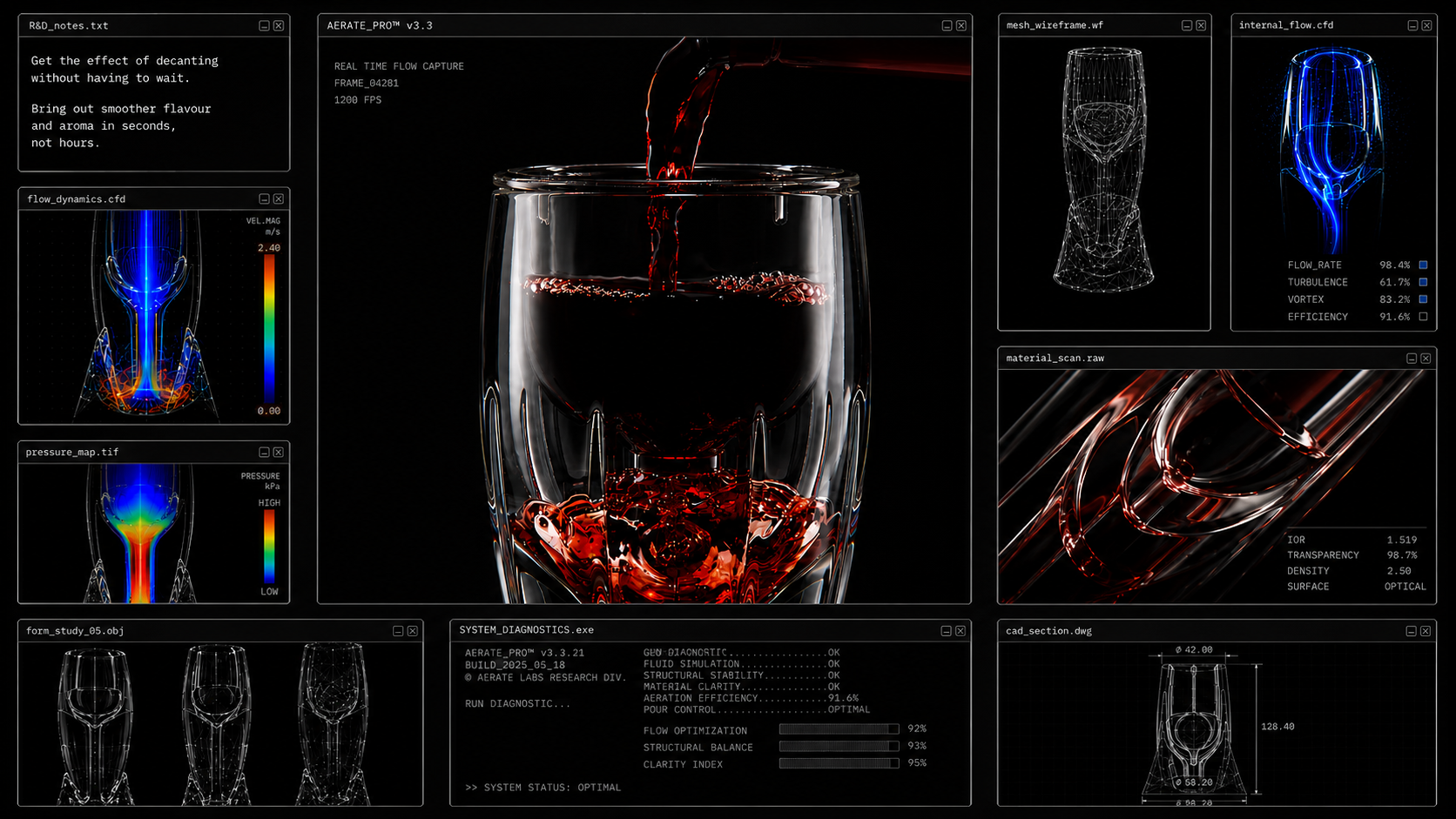
Traditional aeration relies on time. You pour and wait, sometimes for 30 to 60 minutes. A wine aerator changes the process by introducing oxygen as the wine is poured. Instead of planning ahead, you skip the wait. This delivers improved aroma on the first lift of the glass, softer texture from the first sip, and better balance without extended decanting. For many wine drinkers, this protects both the moment and the value of the bottle.
Why Understanding Aeration Improves Confidence
Knowing how aeration affects aroma and taste removes uncertainty. You stop wondering whether the wine is flawed or opened too soon. You gain control over the outcome. That confidence changes how you approach everyday wine. You open bottles more freely, host without hesitation, and avoid the disappointment of a tight, underwhelming first glass.
Final Verdict: How Aeration Affects Wine Aroma and Taste
Aeration helps release aroma, soften harsh elements, and improve balance. It does not change the wine’s identity. It allows the wine to express itself more clearly and quickly. if you often open bottles spontaneously, a wine aerator removes the need to plan ahead and lets you enjoy your bottle of wine instantly.
Frequently Asked Questions
Does aeration make wine taste different permanently?
No. Aeration does not permanently change the wine. It temporarily enhances aroma and softens structure by increasing oxygen contact. The wine continues evolving naturally over time.
Is aeration only for expensive wines?
No. Everyday wines often benefit the most. Young, bold, or tannic wines respond clearly to oxygen. Aeration helps make them more approachable immediately.
How long should I let wine breathe?
Traditional decanting can take 30 to 60 minutes depending on the wine. A wine aerator introduces oxygen instantly, reducing or eliminating that wait.
Can too much aeration ruin wine?
Excessive exposure over many hours can flatten delicate wines. Controlled aeration, especially during pouring, provides balance without overexposure.
Does a wine aerator work like a decanter?
Yes, in principle. Both increase oxygen contact. A wine aerator simply accelerates the process during pouring instead of relying on time in a decanter.
