

Which Wines Benefit Most From Aeration
Not every wine needs aeration, but many taste noticeably better with it. The key is knowing which wines benefit most from aeration and when oxygen exposure actually improves what is in your glass.
If you have ever poured a wine that felt less expressive than expected, oxygen exposure is often the missing factor. Understanding which styles respond best allows you to get more value from the bottles you already buy.
Why Some Wines Need Aeration More Than Others
Wine changes once it is exposed to oxygen. While sealed in a bottle, it has minimal contact with air. After opening, oxygen begins interacting with tannins, acids, and aromatic compounds.
Some wines respond quickly and positively to this exposure. Others are already open and expressive. Wines that benefit most from aeration are typically younger, more structured, higher in tannin, or noticeably muted when first opened. If a wine improves after sitting in the glass for a short time, oxygen exposure is usually the reason.
Red Wines That Benefit Most from Aeration
Young red wines are often the biggest beneficiaries. They tend to have firmer tannins and tighter structure, which can make them feel aggressive or closed when first poured. Oxygen exposure can soften tannins, allow fruit to show more clearly, and improve overall balance.
Full-bodied red wines such as Cabernet Sauvignon, Shiraz, and Malbec also respond well to aeration. Without oxygen exposure, these wines can feel dense or overpowering. With air, their structure settles and their aromas become more expressive, resulting in a smoother and more integrated profile.
White Wines That Benefit from Aeration
Aeration is often associated with red wine, but some white wines benefit as well. Fuller-bodied styles such as Chardonnay may feel muted or slightly harsh immediately after opening. Controlled oxygen exposure can lift aroma and round out texture. White wines require less exposure than most reds, but the improvement can still be noticeable when applied carefully.
Wines That Benefit Less from Aeration
Not all wines improve with additional oxygen exposure. Very old wines, light-bodied whites, and delicate aromatic styles are often already expressive and balanced. Excessive aeration in these cases can reduce freshness or flatten aromas. The goal is controlled oxygen exposure. Enough to improve balance and aroma, but not so much that the wine loses its character.
Everyday Wines and Aeration
Aeration is not reserved for premium bottles. In many cases, everyday wines benefit the most. Wines bottled for early drinking can show firmer edges or less integrated structure straight from the bottle.
Oxygen exposure helps these wines taste smoother and more balanced immediately. Understanding this can change how you approach everyday bottles, giving you more confidence that the bottle of wine you open will not be disappointing.
How to Tell If a Wine Needs Aeration
You do not need advanced knowledge to determine whether a wine needs aeration. Your senses are the most reliable guide. If the wine feels firm, slightly sharp, or muted on opening and then improves after sitting, oxygen exposure is likely helping. If the wine already tastes balanced and expressive immediately, additional aeration may not be necessary.
Decanting Without Waiting
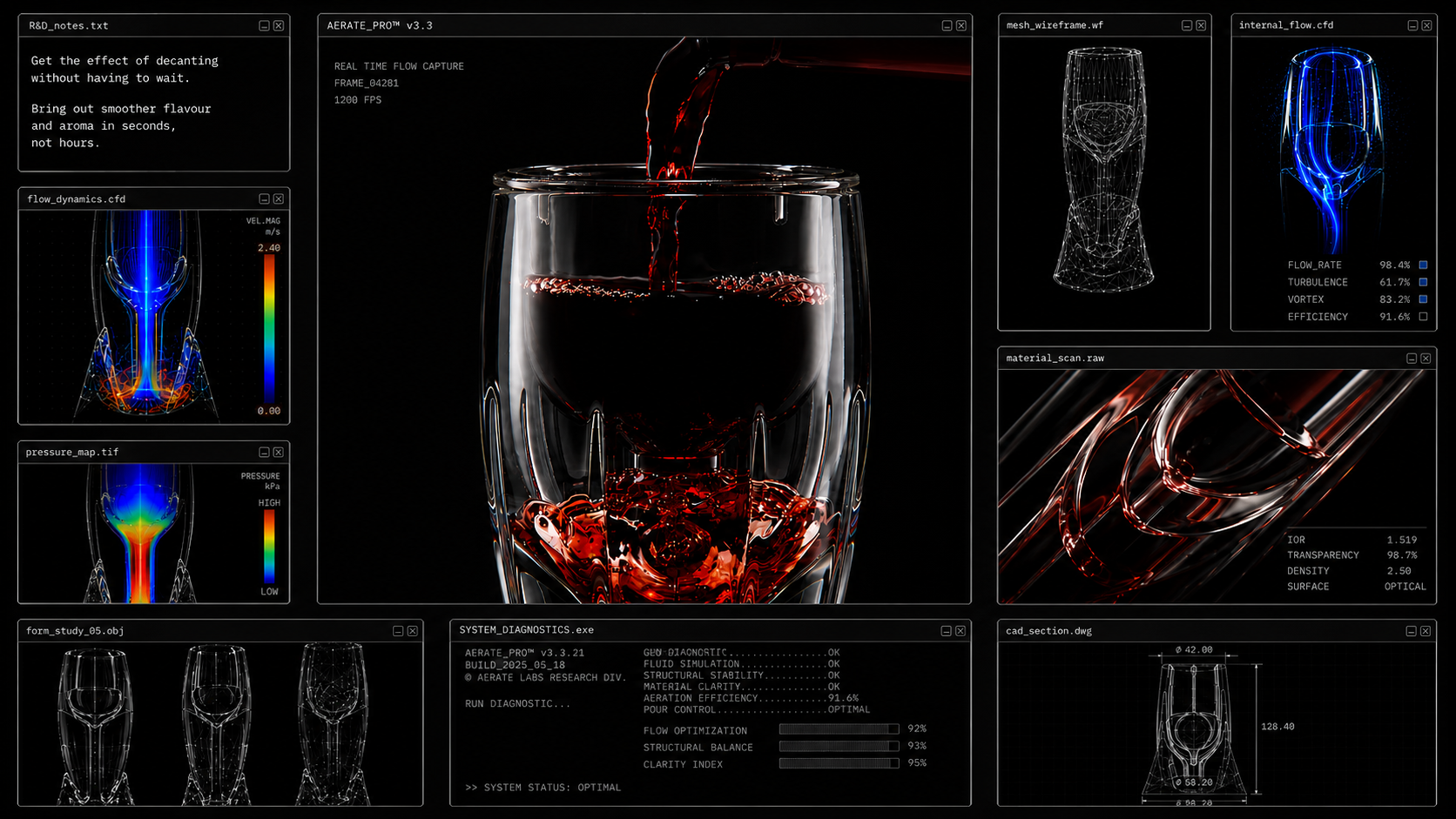
Traditional aeration relies on time. You open the bottle and allow oxygen to work gradually, sometimes taking up to an hour. A wine aerator introduces controlled oxygen exposure during pouring. This approach accelerates the same interaction that would otherwise take time, allowing you to enjoy smoother texture and clearer aroma immediately.
Final Verdict: Which Wines Benefit Most from Aeration
Young red wines, full-bodied styles, structured wines, and many everyday bottles benefit most from aeration. Some fuller-bodied white wines can also improve with controlled oxygen exposure, while delicate or older wines typically require less. If a wine tastes better after sitting in your glass for a while, oxygen exposure is usually the reason. If you prefer not to wait, using a wine aerator allows you to achieve the same improvement immediately.
Frequently Asked Questions
Does every red wine need aeration?
Not every red wine requires aeration. Lighter reds and older bottles may already be expressive. Younger, tannic, or full-bodied reds are more likely to benefit from short-term oxygen exposure.
Do white wines benefit from aeration?
Some fuller-bodied white wines can improve with gentle oxygen exposure. Most light, crisp whites and sparkling wines do not need aeration.
How long should you aerate wine?
Young, bold red wines may benefit from thirty to sixty minutes of oxygen exposure. Medium-bodied wines often require less. A wine aerator can shorten this process significantly.
How can you tell if wine needs aeration?
If the wine feels firm, muted, or slightly sharp when first opened and improves after sitting, it likely benefits from aeration.
Is aeration the same as decanting?
Decanting is one method of aeration. It increases surface area and relies on time. A wine aerator introduces oxygen during pouring, speeding up the process.
